
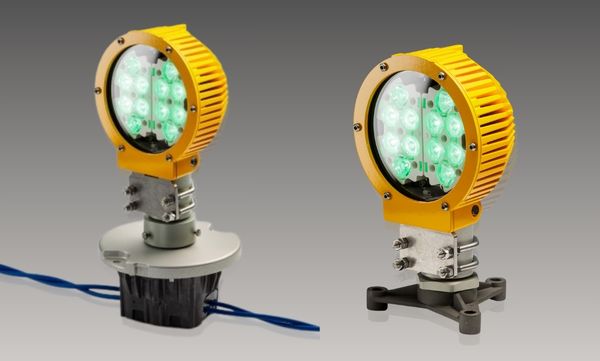
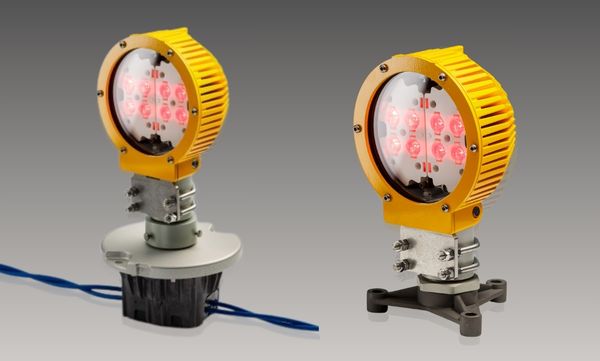
Products
Air navigation aids
Horizontal Navigation Precision for Landings
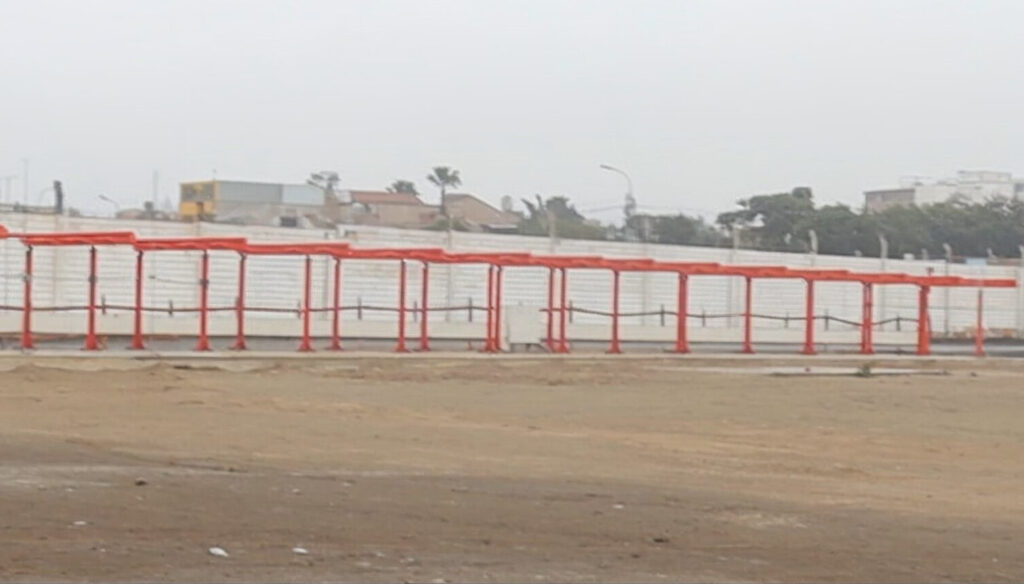
The LOC 421 system operates between 108 and 112 MHz, providing left-right horizontal guidance for landing approaches from up to 30 km away. It generates a vertical guidance plane with modulations of 90 and 150 Hz. When the aircraft veers, one of the signals predominates, indicating to the pilot whether to adjust left or right, ensuring navigational precision and safety.
Short and Medium Range Precision Radio Navigation System
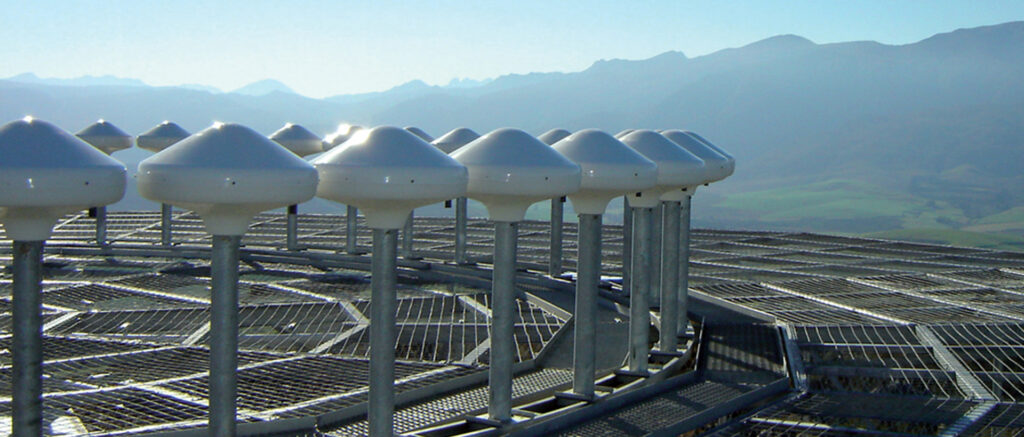
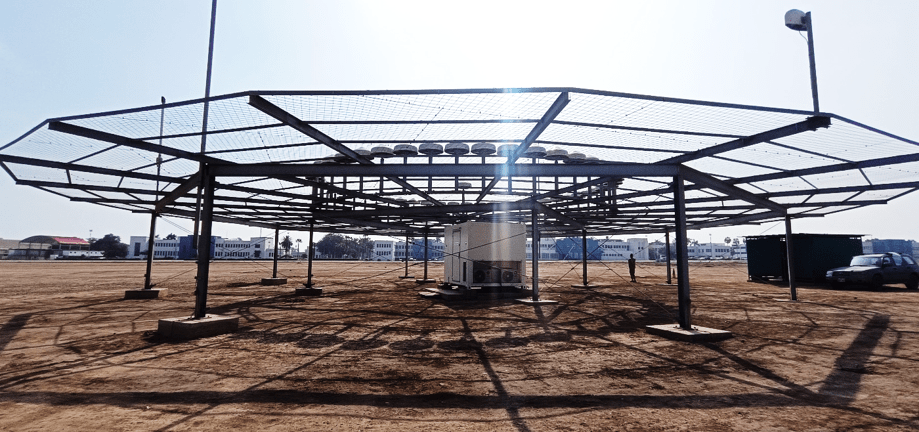
The DVOR 432 is an advanced radio navigation system recommended by ICAO, used for short- and medium-range aircraft guidance, especially in difficult terrain. It uses the Doppler effect and a wide-base antenna to generate highly accurate azimuth signals. Unlike a conventional VOR, the DVOR swaps the functions of 30 Hz modulations to improve azimuth accuracy. The signal is transmitted omnidirectionally, modulates voice and identity codes, and the subcarrier is frequency modulated according to azimuth, providing more precise navigation.
Short and Medium Range Navigation Radio Aid System
CVOR 431 is an ICAO-recommended navigation system used for short- and medium-range aircraft guidance and is remotely controllable. It works by measuring the phase angle of two 30 Hz signals, one reference and one variable, which change with azimuth. This allows the pilot to receive precise information on the aircraft’s position relative to the beacon, its heading, and the “FROM/TO” indication to determine whether it is heading toward or away from the beacon. The system is useful for determining the aircraft’s position relative to CVOR beacons and can be used with a map and frequency chart.
Precise Navigation at Short and Medium Range
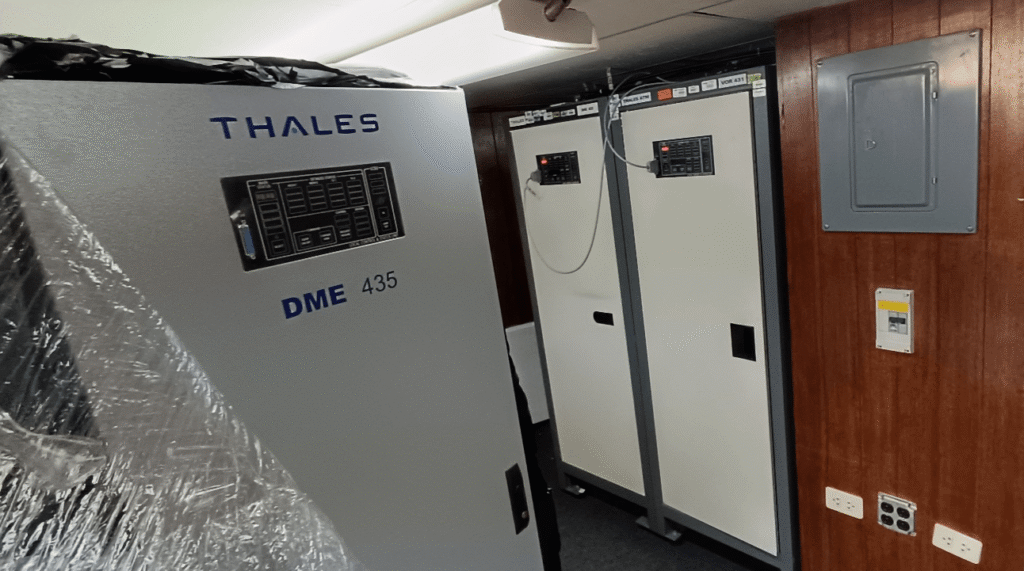
DME is an ICAO-standardized radio aid system used to measure the distance of aircraft from a ground reference. It works by using a secondary radar that measures the propagation delay of a radio frequency pulse emitted by the aircraft and returned by a ground station. In combination with a VOR, DME determines both direction and distance using the rho-theta method. The system is also used in combined configurations as VOR/DME or VORTAC, and is capable of responding to multiple aircraft simultaneously. Distance is calculated by measuring the interval between the emission of the interrogation signal and the response, providing accurate and reliable information for air navigation.
Remote Monitoring of Navigation Systems
Navigation Equipment Monitoring and Alerting
The SI 446 is a monitoring device that displays the status of navigation equipment in the control tower. It indicates changes in operating status through audible and visual alerts, without allowing direct control of the equipment. Its name and status are displayed on configurable displays with brightness adjustments. It can be connected to the RCSI unit or controlled from the LCSU/IOM unit using a serial connection or a modem for long distances.
Precision Approach Path Indicator (PAPI)
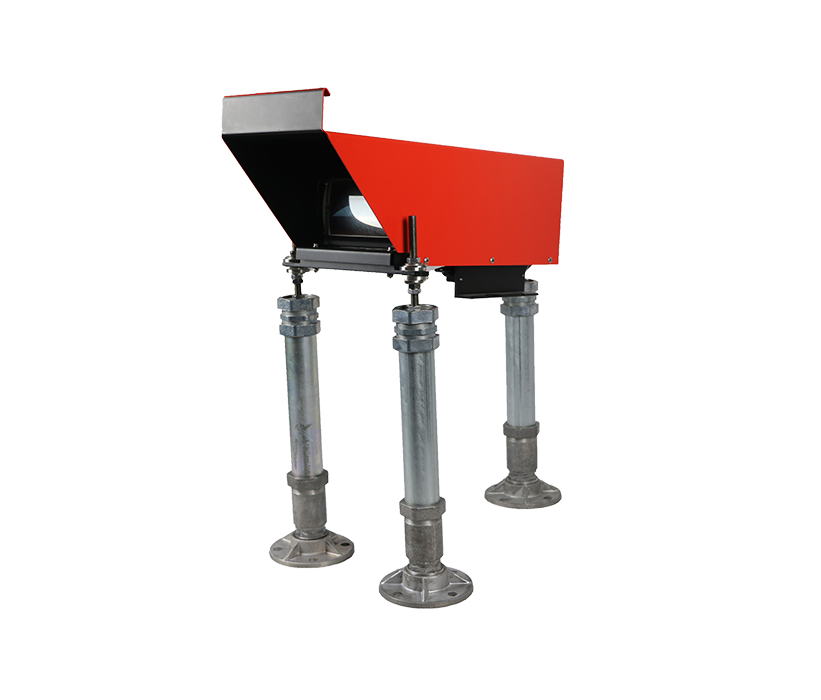
The Series 3 LED PAPI lights, available through Stinville, have obtained Intertek’s L-880/881 (L) certification in accordance with FAA Standard AC 150/5345-28H, Style A, Class I; certification for Style B is pending. Furthermore, the system has passed photometric and chromaticity tests conducted by independent entities, in accordance with standards established by ICAO.
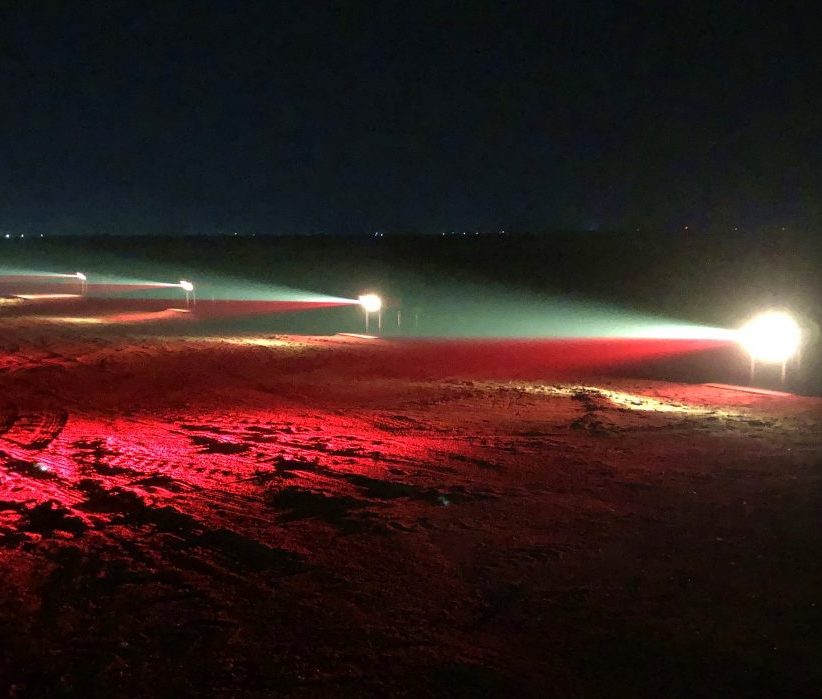
Thanks to its compact and lightweight design, the Series 3 LED PAPI integrates the key technical requirements of both the FAA and ICAO into a single solution. Its patented LED optical technology reduces energy consumption, achieves high luminous intensity, and generates a well-defined red/white transition line, providing the pilot with precise information on the approach slope.
Features:
- Designed for military and commercial applications.
- Available in fixed and portable rapid-deployment configurations, such as the offset threshold configuration.
- Visible and infrared modes available in the same optical system.
- The sharpest red/white transition line and lowest power consumption of any LED PAPI.
- Field-proven performance; hundreds of systems installed.
- Power options: AC (90–264 V AC) 50/60 Hz and DC (3- and 5-level current input, 100 W transformer per LHA)
- Fixed, wireless, or manual control options.
- Long-life LEDs; minimal maintenance.
Elevated Lights
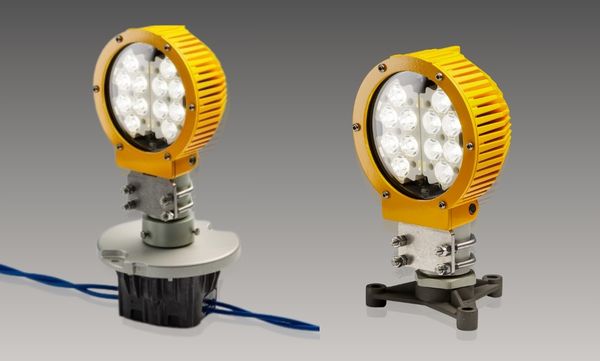
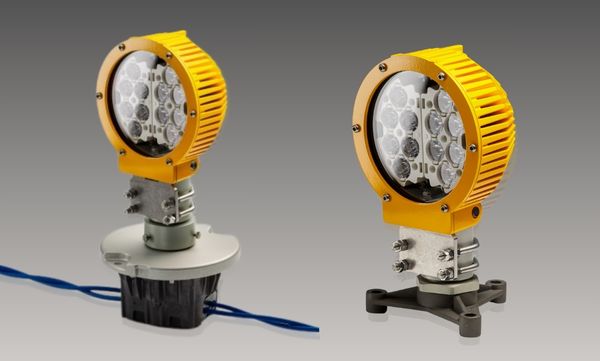
TKH Airport Solutions’ innovative overhead luminaires meet specific requirements for ease of installation, alignment, and maintenance. The flexible product design allows them to be easily adapted to existing airport lighting structures. The luminaires comply with international standards.
Runway End Light
797 RWEElevated LED light for marking the operational end of the runway.
Download brochure
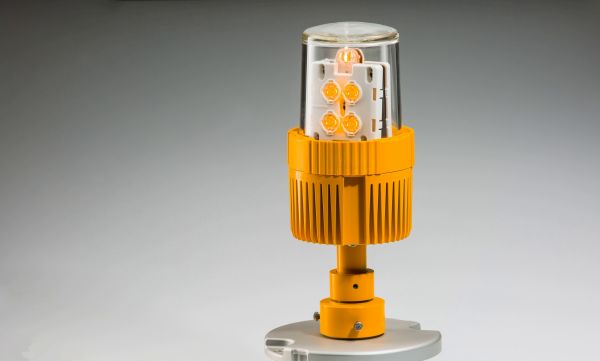
Runway Edge Light
HIRE – High IntensityHigh-intensity elevated light for visual runway edge delineation.
Download brochure
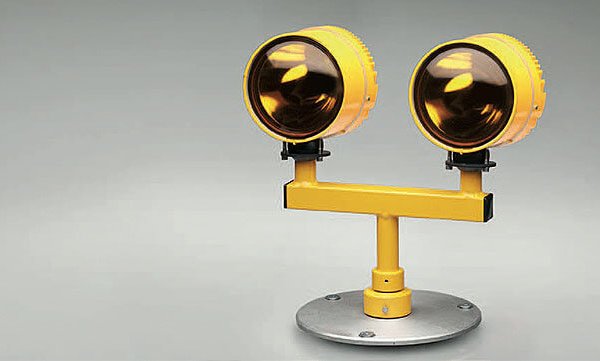
Runway Guard Light
Type 921 / 792RGLWarning light designed to enhance safety at runway entrances and intersections.
Download brochure
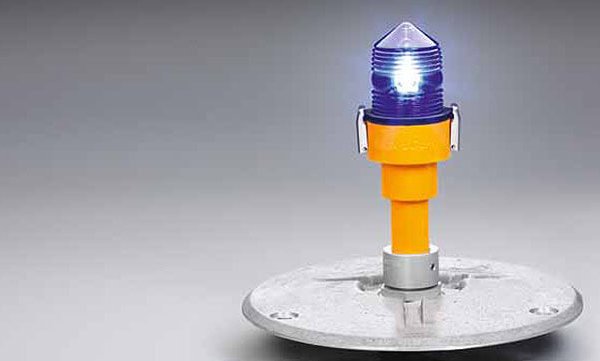
Taxiway Edge Light
Type 241Elevated light for marking the lateral boundaries of airport taxiways.
Download brochure
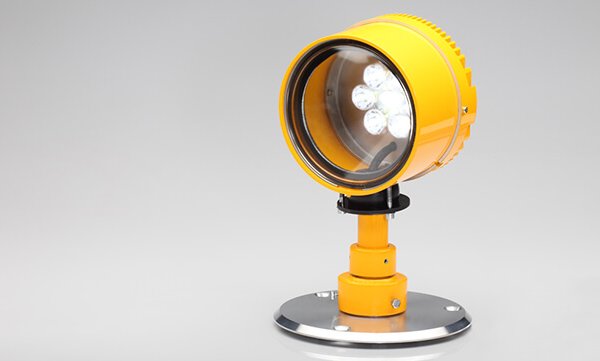
Sequential Flash Light System
SFL SystemSequential flashing light system designed to improve visual guidance during approach.
Download brochure
Approach and Side Row Light
Type 792, LEDLED light for approach lighting systems and side-row airport guidance.
Download brochure
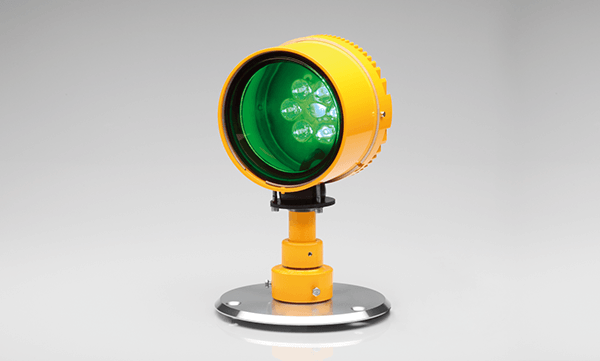
Threshold Light
Type 792, LEDElevated LED light for clearly identifying the runway threshold.
Download brochure

Stop Bar Light
Type 792, LEDElevated LED light for stop bars and safe surface traffic control.
Download brochure
Runway End Light
Type 792, LEDElevated LED light for clearly identifying the runway end.
Download brochure
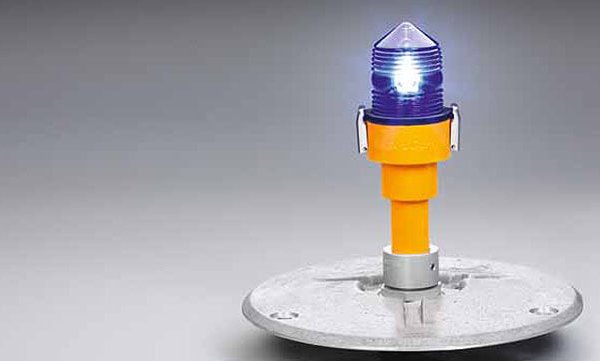
Taxiway Edge Light
Type 795, HalogenElevated halogen light for marking taxiway edges.
Download brochure
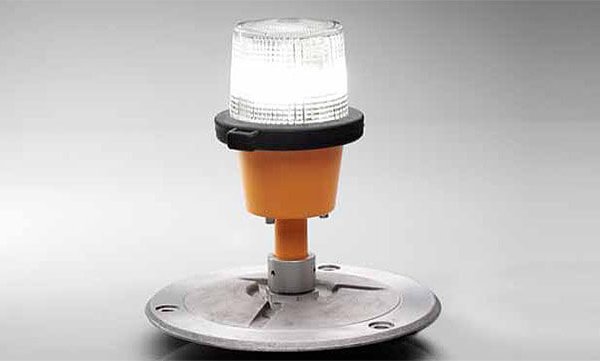
Runway Edge Light
Type 796, Halogen High IntensityHigh-intensity halogen light for runway edge marking.
Download brochure